Undertaking the construction of a commercial building is an exciting venture that requires careful planning and execution. The process involves various stages including designing, financing, and actual construction, each demanding strategic focus. Ensuring proper adherence to these stages is essential for the successful completion of the project.
Understanding the scope of the project is crucial, not only to meet functional needs but also to ensure it aligns with aesthetic and regulatory requirements. In the initial phases, it is vital to clearly outline the objectives, timeline, and budget to avoid foreseeable complications down the line. This step sets the foundation for a seamless construction process.
Establishing a strong foundation begins with securing the right piece of land, carefully selected to meet both the immediate and future needs of the project. Location plays a critical role in determining the accessibility, potential for growth, and compliance with local zoning laws. This foundational decision is a significant determinant of the building’s long-term success.
Coordination with experts is indispensable during the design phase. Architects and engineers work collaboratively to create a blueprint that not only reflects client aspirations but also meets regulatory and safety standards. Their expertise ensures that the building is both functional and aesthetically pleasing, catering to the unique needs of its occupants.
Financial planning is another critical component that dictates the project’s success. Securing adequate funding before breaking ground alleviates the potential stress of financial shortfalls. A clear financial strategy, possibly including diverse financing options, enhances the project’s viability and ensures uninterrupted progress.
A detailed plan for project management is essential for maintaining efficiency and ensuring that each phase of the construction process is completed on time and within budget. This includes contract management, resource allocation, and timeline adherence, each contributing to the overall project effectiveness.
Safety and regulatory compliance are non-negotiable elements of the building process. Ensuring adherence to local codes and regulations protects the building’s integrity and safeguards against legal repercussions. Regular inspections and adherence checks play a vital role in this regard, guaranteeing a safe and sound structure.
Finally, sustainability and environmental considerations should be at the forefront of any commercial building project. Integrating green technologies and materials not only benefits the environment but also reduces operational costs and enhances the building’s appeal to environmentally-conscious tenants.
Working With a Commercial Construction Company

Partnering with reputable commercial construction companies is key to a successful building project. These companies offer specialized knowledge and experience that ensure all construction phases, from planning to execution, are handled professionally. Their deep understanding of the construction landscape is invaluable in navigating potential challenges.
Selecting the right company involves careful consideration of their track record and reputation. Conducting thorough research and referencing past projects ensures that the company aligns with specific project needs and standards. A reputable company will be well-versed in local codes, regulations, and potential challenges that may arise during construction.
Effective communication and transparency are essential when working with a construction company. Regular updates and open dialogue ensure that both parties are aligned on project goals, which helps in addressing any discrepancies swiftly. This collaborative approach ultimately contributes to the timely and successful completion of the project.
Considering the Masonry Elements
Masonry is a traditional and versatile building technique that contributes significantly to the aesthetic and structural integrity of a commercial building. Commercial masonry involves using materials such as brick, stone, or concrete to construct walls, floors, and other architectural elements. These materials are not only durable but also offer flexibility in design.
The choice of masonry materials can impact the thermal efficiency of a building, offering natural insulation and reducing energy costs. Additionally, the durability of masonry ensures lower maintenance needs over time, providing long-term cost benefits. Thus, integrating masonry in construction is both a practical and cost-efficient choice.
Commercial masonry also allows for creative architectural designs, enhancing the visual appeal of the building. By working closely with masonry experts, builders can experiment with various patterns and arrangements to achieve a unique aesthetic that complements the building’s overall design concept.
Designing the Commercial Landscaping
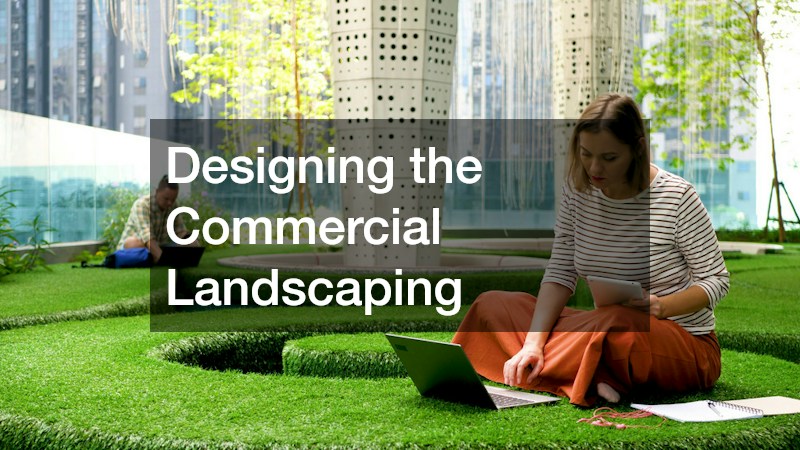
The exterior of a commercial building plays a crucial role in shaping its identity and appeal. Collaborating with commercial landscaping companies ensures that the outdoor spaces enhance the building’s functionality and aesthetic. These professionals possess the expertise to design landscapes that are both visually appealing and environmentally sustainable.
A well-designed landscape integrates features such as walkways, gardens, and water features that not only complement the building’s design but also offer recreational and relaxation spaces for occupants. Landscaping also enhances the building’s curb appeal, contributing to the overall perception of the business it houses.
Incorporating sustainable landscaping practices, such as xeriscaping and rain gardens, reduces water usage and supports local ecosystems. By selecting native plants and implementing smart irrigation practices, commercial landscaping companies contribute to the building’s sustainability targets while reducing maintenance costs.
Choosing the Office Furniture
Selecting appropriate office furniture is pivotal in creating a functional and comfortable working environment. A commercial office furniture service provides a range of options designed to accommodate diverse business needs and preferences, balancing style, functionality, and ergonomics.
While aesthetics are important, the primary consideration should be on comfort and usability. Ergonomically designed furniture prevents health issues for employees and boosts productivity. Well-chosen furniture should foster a pleasant workspace that meets the practical demands of daily business operations.
Additionally, flexibility in furniture design facilitates adaptable workspaces, which can be easily reconfigured to meet evolving business requirements. Easy-to-move and customizable pieces ensure that as the business grows, the office space can seamlessly accommodate changes without significant disruption or additional investments.
Working With Commercial Pavers

Paving is a crucial element in the development of a commercial property, impacting both aesthetics and functionality. Engaging a commercial asphalt paving service ensures that parking lots, driveways, and walkways are constructed to high standards. These services combine expertise in material selection and paving techniques to enhance property value and accessibility.
Well-executed paving ensures durability and minimizes the need for frequent repairs, offering cost savings over time. Properly paved surfaces also enhance safety for pedestrians and vehicles by reducing the risk of slips and falls and ensuring ease of access across the property.
In addition to functional benefits, paving contributes to the property’s aesthetics, providing clean and well-defined surfaces that complement the building’s architecture. By working closely with paving specialists, builders can achieve seamless integration of pavements with landscaping, contributing to a cohesive outdoor environment.
Working With Professional Movers
Once the construction is complete, the strategic move into the new building is the next critical phase. Partnering with corporate moving services guarantees a smooth transition from the old space to the new. These professionals coordinate logistics, reduce downtime, and handle complex moving tasks efficiently.
The expertise of professional movers is invaluable in safeguarding company assets during transit. They offer specialized packing and handling for sensitive equipment and furniture, minimizing the risk of damage. Additionally, they can provide storage solutions for businesses moving in phases or dealing with temporal delays.
Streamlining the moving process involves detailed planning and coordination with the construction and design teams to ensure the new layout is ready for occupancy. The experience offered by moving services helps avoid common pitfalls, ensuring a stress-free and efficient relocation that keeps business operations uninterrupted.
Choosing the Right Doors

Doors play a critical role in the security, functionality, and aesthetic of a commercial building. Proper commercial door installation ensures that these elements are tailored to meet safety standards while complementing the building’s design. Doors must not only be secure but also facilitate easy access and movement throughout the facility.
Selecting the right doors involves considering materials that offer durability and insulation, such as metal or reinforced glass. These materials provide enhanced security and help in maintaining energy efficiency throughout the building. Proper installation by experts ensures that doors operate smoothly and securely without compromising on design.
Aesthetically, doors can serve as a distinctive architectural feature that enhances the building’s entrance and internal spaces. By incorporating contemporary designs or materials, builders can achieve a modern look that aligns with the building’s overall theme, adding to the property’s value and appeal.
Getting the Plumbing Set Up
An effective plumbing system is vital to the functionality of any commercial building. Engaging experienced plumbing contractors ensures that systems are designed and installed to meet the demands of the building while complying with local codes and efficiency standards. This involves comprehensive planning and execution, from piping to fixture installation.
Plumbing installations need to be carefully coordinated with other trades to prevent conflicts during construction. Contractors must ensure that the systems are both efficient and sustainable, minimizing water wastage and integrating technology solutions for monitoring and maintenance.
Regular inspections and maintenance checks are crucial in identifying potential issues in the plumbing system and preventing costly repairs. By adopting preventive measures and staying abreast of modern plumbing solutions, building owners can ensure the longevity and efficiency of their plumbing infrastructure.
Considering the Electrical Work
Electrical systems are at the heart of a building’s operations, powering essential services and utilities. Commercial electrical contractors offer expertise in designing and implementing wiring systems that adhere to safety standards and meet the building’s power requirements. Their role is crucial in ensuring reliable and efficient electrical performance.
Coordination with architects and other construction professionals ensures that electrical work is seamlessly integrated into the building’s design. This cooperation helps avoid conflicts and ensures adherence to design specifications while maintaining compliance with regulations.
Energy efficiency is an essential consideration in modern electrical installations. Utilizing energy-efficient lighting systems, automation technologies, and renewable energy solutions reduces operational costs and supports sustainability goals. Working with knowledgeable contractors helps in selecting the technologies best suited for these objectives.
Setting Up the HVAC System
The HVAC system is integral to maintaining a comfortable and productive environment within a commercial building. Collaborating with HVAC companies ensures that heating, ventilation, and air conditioning systems are installed to maximize efficiency and meet the building’s specific climate control needs.
The design of an HVAC system should prioritize energy efficiency and air quality, employing advanced technologies to monitor and regulate indoor climate. This helps reduce energy consumption and costs, contributing to the overall sustainability of the building.
Regular maintenance and updates to the HVAC system are critical in ensuring continued efficient performance and compliance with changing environmental standards. A proactive approach, involving monitoring and timely servicing, prevents potential issues and optimizes system lifespan.
Building a New Commercial Building
The culmination of a successful commercial building project lies in achieving a balance between functionality, aesthetic appeal, and regulatory compliance. This comprehensive process involves coordination with professionals across various specializations, from construction to design, ensuring each element aligns with the project’s vision.
Ensuring that each phase of the construction is meticulously planned and executed is crucial in achieving the desired outcome. From securing the right location to final touches, every detail contributes to the building’s overall impact. Through careful planning and execution, challenges can be efficiently overcome, leading to a successful project.
Furthermore, integrating sustainable practices across all aspects of the build, from landscaping to HVAC, not only addresses environmental concerns but also adds value and appeal to the property. Forward-thinking designs that anticipate future needs ensure the building remains relevant and adaptable over time.
A well-executed commercial building stands as a testament to effective collaboration, skilled workmanship, and thoughtful planning. It serves as a functional and inviting space, meeting the needs of its occupants and enhancing its surrounding community. Ultimately, it reflects the vision and dedication of all involved in its creation.
As business needs evolve, the ability to adapt is crucial. Flexible designs and smart investment in infrastructure play key roles in ensuring long-term functionality and relevance. This adaptability keeps the business competitive in an ever-changing market landscape.
In conclusion, the journey of constructing a commercial building from the ground up is one of complexity but also opportunity. It allows businesses to crystallize their visions into concrete realities, building spaces that are not only impressive but also highly functional and sustainable.
The success of such a venture lies in strategic planning, expert partnerships, and a commitment to quality and efficiency. Ensuring that these elements align with business goals paves the way for a commercial building that stands the test of time, proving to be a wise investment.
By embracing innovative solutions and maintaining a future-oriented vision, commercial buildings can be designed to meet the evolving demands of modern businesses, creating environments that are prepared for the challenges of tomorrow and beyond.